
A Closer Look at the Security Features Built into Modern Front Entrances
A front entrance does more than welcome visitors, it also creates one of the main barriers between a home and the outside world. That is why security is often near the top of the list when homeowners begin comparing replacement options. Modern composite doors are designed with strength in mind, bringing together several materials to create a solid structure that can handle everyday use while offering greater resistance to forced entry. Their layered construction, strong cores, and carefully fitted outer surfaces can make the entrance feel reassuringly substantial. For many households, that combination of appearance and protection is exactly what makes this type of door worth considering.
The construction of the door itself plays a major part in overall security. A strong core can provide resistance against impact, while durable outer layers help protect the structure from weather, wear, and repeated use. Reinforced frames can add another level of stability, especially when they are correctly matched to the door. Security is not created by one component working alone. The panel, frame, hinges, locking points, and fittings all need to work together. A door may look impressive from the outside, but the real value lies in how those individual parts respond when pressure is placed on the entrance.
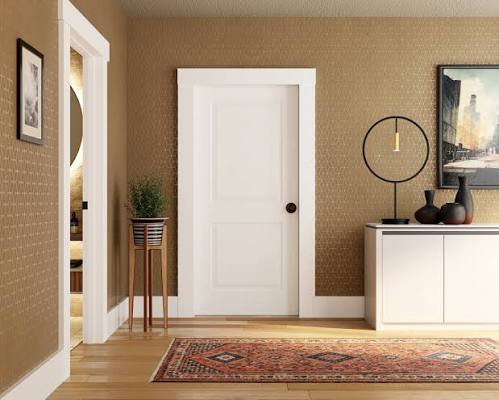
Locking systems deserve close attention too, because they are one of the most important practical features buyers tend to compare. Multi-point locking systems secure the door at several locations along the frame rather than relying on a single lock position. Depending on the design, these systems may include hooks, bolts, or other locking elements that engage when the door is closed. Strong cylinders and protective hardware can also help reduce vulnerabilities around the lock itself. When comparing products, it is useful to look beyond the appearance of the handle and ask what kind of locking mechanism is actually fitted behind it.
Professional installation can make a surprisingly large difference to how securely any entrance performs. Even a well-built door may not provide its intended level of protection if the frame is poorly aligned, fixings are inadequate, or gaps are left around the edges. An experienced installer checks that the door sits correctly, opens and closes smoothly, and locks firmly without excessive movement. Proper fitting can also help with insulation, weather resistance, and long-term durability. This is one reason it is sensible to consider installation quality alongside the specifications of the product rather than treating fitting as a small detail at the end of the purchase.
Choosing a secure entrance is ultimately about looking at the complete system rather than being distracted by one impressive feature. Construction quality, reinforced components, dependable locks, suitable glazing, a sturdy frame, and skilled fitting all contribute to the final result. When evaluating composite doors, homeowners can benefit from asking about security standards, lock specifications, materials, warranties, and installation procedures before making a decision. A carefully selected door should feel solid, operate smoothly, and complement the property at the same time. That balance can bring something very valuable to everyday life, a welcoming entrance that also gives the household greater confidence in the security of the home.
…