
Maximizing Your Real Estate Budget: The Smart Way to Stage Properties
When preparing a property for sale, the costs can quickly add up. From repairs and renovations to traditional staging with furniture and decor, sellers often feel the financial strain before they even list their homes. However, there’s a transformative solution that can significantly cut these costs: virtual staging software. This innovative technology allows you to present a property in its best light without the hefty price tag associated with physical staging. By using virtual staging, you can create stunning visual representations of your home, making it more appealing to potential buyers while saving money in the process.
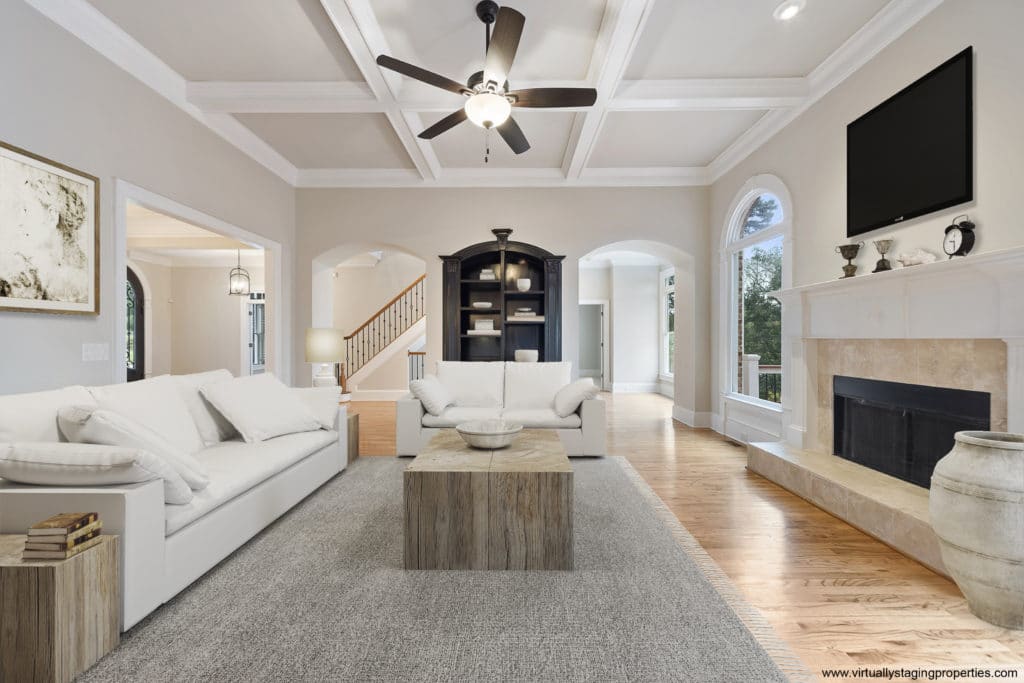
The first thing to understand about virtual staging is that it leverages advanced graphic design technologies to create photorealistic images of a property. Instead of investing in actual furniture and decor, you can simply upload your property photos into the virtual staging software and select from a range of digital furniture and accessories. This not only saves you from the logistical nightmare of moving and arranging physical items but also cuts down on the costs associated with renting or purchasing furniture. Imagine transforming an empty room into a beautifully furnished space with just a few clicks on your computer. This is the power of virtual staging real estate. Using Virtual Staging Real Estate tools can show buyers how furniture might fit within unfamiliar room layouts.
Moreover, the benefits of virtual staging go beyond mere cost savings. In today’s digital age, homebuyers often begin their search online, scrolling through listings filled with images that either capture their attention or fail to impress. Properties that are virtually staged stand out in these listings, as they present a lifestyle that potential buyers can envision themselves living. This is crucial because when buyers can see how a space can be utilized, they are more likely to develop an emotional connection to the property. A visually appealing image can make the difference between a buyer clicking through or moving on.
Time is another critical factor that plays into the sale of a property. Traditional staging takes time, often requiring weeks to coordinate the delivery of furniture, set up, and take down after the home is sold. Virtual staging, on the other hand, can be completed in a fraction of the time. Once you choose the furniture and decor styles you want, the turnaround can be as quick as 24 to 48 hours. This efficiency not only expedites the listing process but also allows homeowners to get their properties on the market sooner, potentially leading to a quicker sale.
Sellers often worry about the authenticity of virtual staging. Concerns might arise that digitally staged images could mislead potential buyers or result in disappointment during in-person showings. While these concerns are valid, there are ways to mitigate them. Transparency is key; you can include a disclaimer that the images have been virtually staged. This way, buyers know what to expect when they visit the property. Additionally, providing a few unedited images of the property alongside the staged shots can help paint a realistic picture of what they’ll see in person.
Another significant advantage of virtual staging is its flexibility. If a room isn’t resonating with potential buyers, you can easily change the design or furnishings without incurring additional costs. For instance, if a living room with a modern aesthetic isn’t attracting interest, you can switch it up with a more traditional look or even a minimalist design to appeal to different buyer demographics. This adaptability means you can experiment with different styles and arrangements, all while keeping expenses low.
Real estate agents can also benefit immensely from virtual staging software. By incorporating these images into their marketing materials, agents can enhance their listings and attract more clients. A well-staged property can lead to higher offers and quicker sales, which is a win-win for both the agent and the seller. Moreover, when agents showcase their ability to utilize innovative tools like virtual staging, they position themselves as forward-thinking and tech-savvy, which can be a significant differentiator in a competitive market.
Incorporating virtual staging into your sales strategy doesn’t mean you should abandon traditional staging altogether. Instead, think of it as a complementary tool that enhances your overall marketing efforts. For instance, you might choose to physically stage the main areas of a property while utilizing virtual staging for less critical spaces. This hybrid approach allows you to maintain a balance between visual impact and cost-efficiency.
As you consider implementing virtual staging software, it’s essential to choose the right platform. Virtual Staging Real Estate technology can support online marketing when physical staging is impractical or too expensive. Look for features that align with your needs, such as a diverse range of furniture styles, user-friendly interfaces, and high-quality output images. Some software options even allow you to create 3D walkthroughs or virtual tours, taking your marketing to the next level.
In conclusion, if you’re preparing to sell a property and are feeling overwhelmed by the costs of traditional staging, virtual staging software could be your best ally. It provides a cost-effective, time-efficient solution that can enhance your property’s appeal, allowing you to connect with potential buyers in a meaningful way. By leveraging this technology, you can create stunning visual experiences that resonate with buyers, ultimately leading to faster sales and potentially higher offers. Embrace the power of virtual staging real estate, and watch as it transforms your property marketing strategy into a more streamlined and successful endeavor.